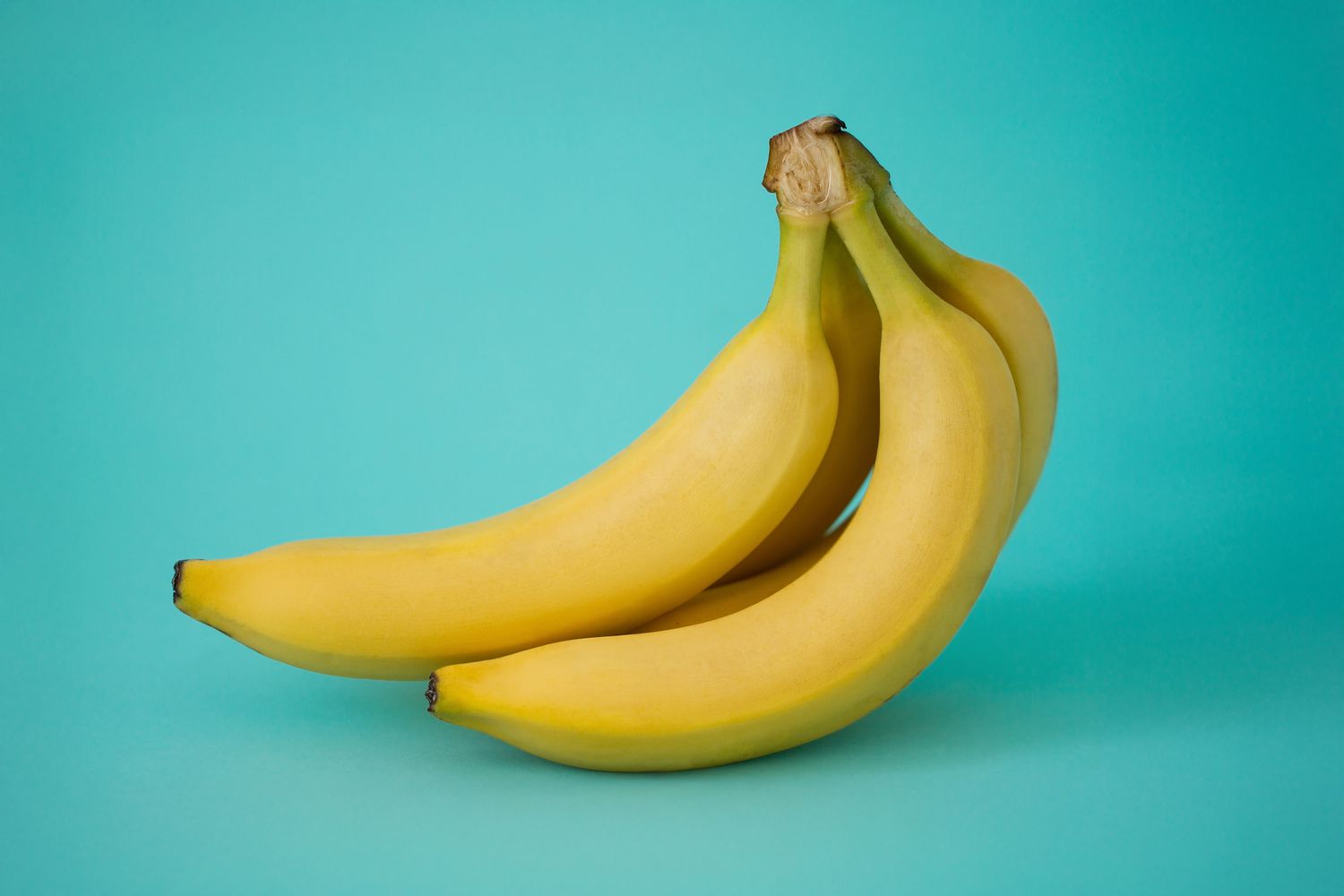
Have you ever bought a beautiful bunch of yellow bananas, only to find them speckled with brown, soft, and overly sweet just a day or two later? It's a common kitchen dilemma. Bananas, beloved for their convenience and nutritional punch, have a notoriously short shelf life once they hit a certain stage of ripeness. But what if there was a way to slow down that inevitable browning and keep your bananas fresh and yellow for longer? Fortunately, with a few science-backed strategies, mastering the best ways to store bananas is entirely achievable, transforming your fruit bowl experience.
The Science Behind the Browning: Understanding Banana Ripening
To truly stop bananas from browning too quickly, we first need to understand the science behind their rapid transformation. Bananas are classified as climacteric fruits, a special category that includes avocados, apples, and tomatoes. This means they continue to ripen even after they've been harvested from the plant. The key player in this process is a natural plant hormone called ethylene gas.
As bananas ripen, they produce ethylene gas, which acts as a signal to themselves and nearby fruits to accelerate maturation. This gas triggers a series of internal changes: starches convert into sugars (making the banana sweeter), the texture softens, and the vibrant green peel gradually deepens to yellow, then eventually browns. The rate at which this happens is influenced by several external factors, including temperature, humidity, and the concentration of ethylene gas in their immediate environment. Storing bananas in a confined space, or near other ethylene-producing fruits, will significantly increase this concentration, sending them down the browning highway at top speed.
Tailoring Storage to Ripeness: A Stage-by-Stage Guide
One of the best ways to store bananas is to adapt your method to their current state of ripeness. A one-size-fits-all approach simply won't work with this dynamic fruit.
Green or Underripe Bananas
If you've just brought home a bunch of green bananas, your goal is to encourage them to ripen gradually. Store them at room temperature, ideally between 60-70°F (15-21°C), and keep them away from direct sunlight or any heat sources like ovens or warm windowsills. This allows the natural ripening process to occur at a steady pace. Avoid putting them in the refrigerator at this stage, as cold temperatures can permanently halt the enzymatic conversion of starches to sugars, resulting in an unpleasantly starchy, unripened fruit, even if brought back to room temperature later.
Yellow or Slightly Ripe Bananas
Once your bananas have reached your preferred level of yellow, with perhaps a few tiny brown specks, you'll want to slow down further ripening. A cool, dry place away from direct heat or harsh sunlight is ideal. Think of a pantry, a countertop away from appliances, or a fruit bowl positioned in a shaded area of your kitchen. This slightly lower ambient temperature helps to extend their peak freshness by a few days.
Fully Ripe Bananas
When your bananas are perfectly ripe and you're not quite ready to eat them, the refrigerator becomes your best friend. Transferring them to the fridge at this stage can extend their life by another 3-5 days. Don't be alarmed if the peel turns dark brown or even black; this is a natural reaction of the peel's enzymes to the cold and does not mean the fruit inside is spoiled. The internal flesh will remain firm, sweet, and delicious, perfectly preserved for your enjoyment.
The Refrigerator Rule: Timing is Everything
The cardinal rule of banana storage is to never refrigerate underripe bananas. The cold temperature inhibits the enzymes necessary for the starch-to-sugar conversion process. This means your green bananas will stay green and starchy, even if you try to ripen them outside the fridge later. They simply won't develop the desired sweetness and texture. Always wait until they're at least mostly yellow before chilling them.
Pro Tips for Optimal Banana Preservation
Beyond temperature control, several other strategies can help you maximize the freshness of your bananas. Employing these additional techniques can significantly improve the best ways to store bananas in your home:
- Separate the Bunch: Bananas often come in a bunch connected at the stem. Ethylene gas is released most actively from this connected point. By breaking apart the bunch into individual bananas or smaller clusters, you reduce the overall concentration of ethylene gas around each fruit, effectively slowing down ripening.
- Ensure Proper Airflow: Avoid storing bananas in sealed bags or airtight containers. Plastic traps moisture and ethylene gas, creating a humid, gas-rich environment that dramatically speeds up spoilage and browning. For optimal airflow, consider hanging your bananas on a banana stand. This not only keeps them elevated but also prevents bruising that can occur when they sit on a flat surface, further extending their life.
- Wrap the Stems: As mentioned, the stems are a primary source of ethylene gas release. Wrapping the stems tightly with plastic wrap or aluminum foil can create a barrier, significantly reducing the amount of ethylene that escapes and reaches the rest of the fruit. Re-wrap the stems each time you remove a banana from the bunch.
- Mind Their Neighbors: Remember those other climacteric fruits? Storing bananas near high ethylene-producers like apples, avocados, tomatoes, or even onions will accelerate their ripening. Always keep bananas in their own space, away from these ethylene powerhouses.
- Maintain a Cool, Dry Environment: Reiterate the importance of keeping bananas away from direct sunlight, heating vents, or the tops of warm appliances like refrigerators or ovens. Consistent, moderate temperatures are key for controlled ripening.
Don't Waste a Single Banana: Freezing for Future Enjoyment
Even with the best storage practices, some bananas might reach peak ripeness or become slightly overripe before you can eat them all. This is where freezing comes in as an invaluable preservation method. Frozen bananas are fantastic for smoothies, baking (banana bread, muffins, pancakes), homemade "nice" cream, or kid-friendly desserts.
Here’s how to freeze bananas effectively:
- Peel and Slice (or Leave Whole): Decide how you'll use them. Slicing makes them easier to portion for smoothies. Leaving them whole is fine for baking projects where you'll mash them anyway.
- Prevent Clumping (Optional but Recommended): For slices, arrange them in a single layer on a parchment-lined baking sheet. Freeze for 1-2 hours until firm. This crucial step prevents them from sticking together in a solid block, allowing you to grab just a few pieces as needed.
- Transfer to Airtight Storage: Once firm (or immediately if freezing whole), transfer the bananas to a freezer-safe airtight container or a heavy-duty zip-top bag. Remove as much air as possible to prevent freezer burn.
- Label and Date: Always label your container with the contents and the date. Frozen bananas are best used within six months for optimal flavor and texture, though they are generally safe to eat for longer.
Controlling the ripening process of bananas doesn't require a green thumb or complex chemistry. By understanding the role of ethylene gas, adjusting storage methods based on ripeness, and employing a few smart techniques like separating bunches and wrapping stems, you can significantly extend the life of your favorite yellow fruit. From perfectly ripe snacking to freezing for future culinary adventures, these science-backed tips ensure you get the most out of every banana, making the best ways to store bananas a simple, everyday practice.
