Bananas are a beloved fruit, a convenient snack, and a versatile ingredient in countless recipes. Yet, the universal struggle with banana ripeness is all too familiar. You bring home a beautiful bunch of vibrant yellow, or even slightly green, bananas from the grocery store, only to find them speckled with brown, soft, and bordering on overripe just a day or two later. The good news? You don't have to surrender to the swift march of ripeness. With a deeper understanding of how bananas behave and a few clever strategies, you can significantly extend their fresh life, ensuring you always have the perfect banana on hand. This ultimate guide will explore the best ways to store bananas, transforming you into a banana storage master.
Understanding Banana Ripening: The Science Behind the Sweetness
To effectively keep bananas fresh longer, it's crucial to understand their unique biological process. Bananas are classified as climacteric fruits, a category that also includes avocados, apples, and tomatoes. This means they continue to ripen even after being picked from the plant. The key player in this ongoing ripening process is a natural plant hormone called ethylene gas.
As bananas ripen, they produce increasing amounts of ethylene gas. This gas acts as an internal signal, triggering a cascade of biochemical changes:
- Starch Conversion: Ethylene stimulates enzymes that break down complex starches into simple sugars, making the banana sweeter.
- Softening: Pectin, the substance that gives fruit its firmness, is broken down, leading to a softer, more palatable texture.
- Color Change: Chlorophyll, the green pigment, degrades, revealing the characteristic yellow (and eventually brown) pigments beneath.
The rate at which these changes occur is influenced by several external factors, including temperature, humidity, and the presence of other ethylene-producing fruits nearby. Storing bananas in a confined space or near high-ethylene producers like apples, avocados, or even onions, can create a concentrated "ethylene atmosphere," accelerating their browning and softening. Understanding this natural process is the first step in learning the best ways to store bananas and gain control over their freshness.
Tailoring Storage to Ripeness: A Stage-by-Stage Guide
One of the most powerful insights in banana preservation is that there isn't a single "best way" to store them. The ideal method changes based on the banana's current stage of ripeness and how quickly you plan to consume it. Think of it as a dynamic storage strategy for optimal freshness.
Green or Underripe Bananas: Patience is Key
If you've purchased a bunch of firm, green bananas, your goal is to encourage a slow, even ripening process.
- Room Temperature: Always store green bananas at room temperature. The cool temperatures of a refrigerator will stall the enzyme activity needed for starch-to-sugar conversion, preventing them from ever fully ripening properly, even if moved back to warmth later.
- Away from Direct Sunlight and Heat: Place them on your counter or in a fruit bowl away from windows, stoves, or other heat sources. Excessive heat can cause uneven ripening and faster spoilage.
- Good Airflow: Avoid placing them in sealed bags or crowded fruit bowls, as this can trap ethylene gas and moisture, speeding up ripening.
Yellow or Slightly Underripe Bananas: Extending Peak Freshness
Once your bananas have reached that beautiful, sunny yellow stage – perhaps with a tiny hint of green remaining – they are approaching their peak. This is the stage where you want to slow down the ripening process to extend their usability for a few more days. To do this, look for a cool, dry place in your home, such as a pantry or a dedicated spot on your countertop that doesn't receive direct sun or proximity to heat-generating appliances. The slightly lower ambient temperature will naturally inhibit ethylene production and enzyme activity, gracefully extending their perfectly ripe window. This is one of Store Bananas Perfectly: Tips for Every Ripeness Stage, ensuring you get the most out of your fruit.
Fully Ripened Bananas: Refrigerator to the Rescue
When your bananas are perfectly yellow, perhaps with a few developing brown specks, and have achieved their desired sweetness and texture, it’s time to hit the brakes on further ripening.
- Transfer to the Refrigerator: Once fully ripe, move your bananas to the refrigerator. While the cold temperature won't reverse the ripening that has already occurred, it will significantly slow down the enzymes responsible for further starch conversion and softening.
- Embrace the Darkening Peel: Don't be alarmed if the banana peels turn dark brown or even black in the fridge. This is a natural reaction to the cold temperature affecting the pigments in the peel and does not indicate spoilage of the fruit inside. The banana flesh will remain perfectly ripe, firm, and fresh for several extra days.
Pro Tips for Maximizing Banana Lifespan
Beyond the general storage guidelines, several practical techniques can significantly improve how long your bananas stay fresh. Incorporating these into your routine offers some of the best ways to store bananas effectively.
Separate the Bunch
One of the easiest and most effective tricks is to break up your bunch of bananas. Each banana stem is a source of ethylene gas. When they're bundled together, the concentration of ethylene around the entire bunch is much higher, accelerating ripening for all of them. Separating individual bananas reduces this concentrated gas cloud, allowing each fruit to ripen more slowly on its own timeline.
Wrap the Stems
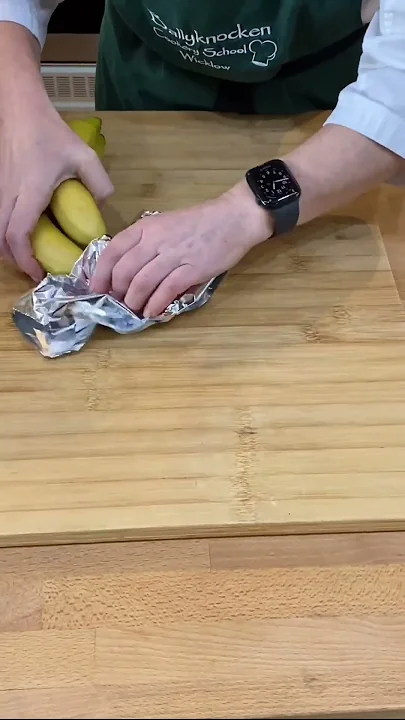
The cut stem of a banana is where a significant amount of ethylene gas is released. To create a barrier, try wrapping the stems of your banana bunch (or individual bananas) tightly with plastic wrap or aluminum foil. This simple action helps to contain the ethylene release from the stem, slowing down the ripening process for the rest of the fruit. Re-wrap if the original seal becomes loose.
Ensure Proper Airflow and Avoid Confined Spaces
Bananas need to breathe. Storing them in sealed plastic bags or airtight containers is detrimental because it traps the ethylene gas they produce, essentially creating a hotbox that speeds up ripening and can encourage moisture build-up leading to spoilage.
- Unwrap Immediately: If your bananas came in a plastic bag from the store, unwrap them as soon as you get home.
- Banana Hangers/Stands: These are not just decorative; they promote optimal airflow around each banana, preventing pressure bruises and allowing ethylene to dissipate naturally.
- Avoid Crowding: Whether in a fruit bowl or on the counter, ensure bananas aren't packed tightly against each other or other fruits.
Strategic Placement: Away from Ethylene Producers
Remember that ethylene gas isn't just produced by bananas; many other common fruits and vegetables release it too. Storing bananas near these "ethylene-producers" will dramatically shorten their lifespan. Always keep your bananas separate from items like:
- Apples
- Avocados
- Tomatoes
- Pears
- Peaches
- Onions (surprisingly, these can also accelerate ripening)
For a deeper dive into controlling ripening with scientific precision, check out our guide on Stop Bananas Browning: Science-Backed Ripening Control Tips.
Freezing Bananas: A Smart Solution for Overripe Fruit
Despite your best efforts, sometimes bananas ripen faster than you can eat them. Before they turn to complete mush, freezing bananas is an excellent way to preserve their nutritional value and sweet flavor for future use. This is particularly useful for ripe or even slightly overripe bananas that are too soft for snacking but perfect for cooking or blending. It's truly one of the best ways to store bananas for long-term use.
Here’s how to freeze bananas effectively:
- Peel Them First: Never freeze bananas in their peel. The peel will turn black and become difficult to remove once frozen.
- Slice or Leave Whole: Depending on your intended use, you can freeze them whole or slice them into smaller, more manageable pieces. Slices are great for smoothies, while whole bananas work well for baking.
- Prevent Clumping (Optional but Recommended): For sliced bananas, spread them in a single layer on a parchment paper-lined baking sheet. Freeze them for 1-2 hours until firm. This pre-freezing step prevents the slices from sticking together in a large clump, making them easier to portion later.
- Transfer to Airtight Storage: Once firm (or immediately if freezing whole), transfer the bananas to a freezer-safe airtight container or a heavy-duty zip-top freezer bag.
- Label and Date: Always label your container with the contents and date. Frozen bananas are best used within six months for optimal flavor and texture.
Frozen bananas are incredibly versatile. They are perfect for:
- Smoothies (they add creaminess and natural sweetness)
- "Nice cream" (blended frozen bananas for a healthy dessert)
- Banana bread, muffins, and pancakes
- Kid-friendly desserts
- Adding to oatmeal or yogurt
Conclusion
Say goodbye to the frustration of wasted bananas! By understanding the science of ripening and implementing these practical storage strategies, you can significantly extend the life of your bananas. Whether you're managing green, yellow, or fully ripe fruit, there's a tailored approach to ensure maximum freshness. From simple tricks like separating the bunch and wrapping stems to leveraging the power of refrigeration and freezing, you now have the ultimate guide to the best ways to store bananas. Embrace these tips, and enjoy perfectly fresh bananas whenever you desire, reducing food waste and making the most of this nutritious and delicious fruit.
